
When Seeing Is No Longer Believing - Test Your Video Call Security
Deepfake Video Conferencing Attacks
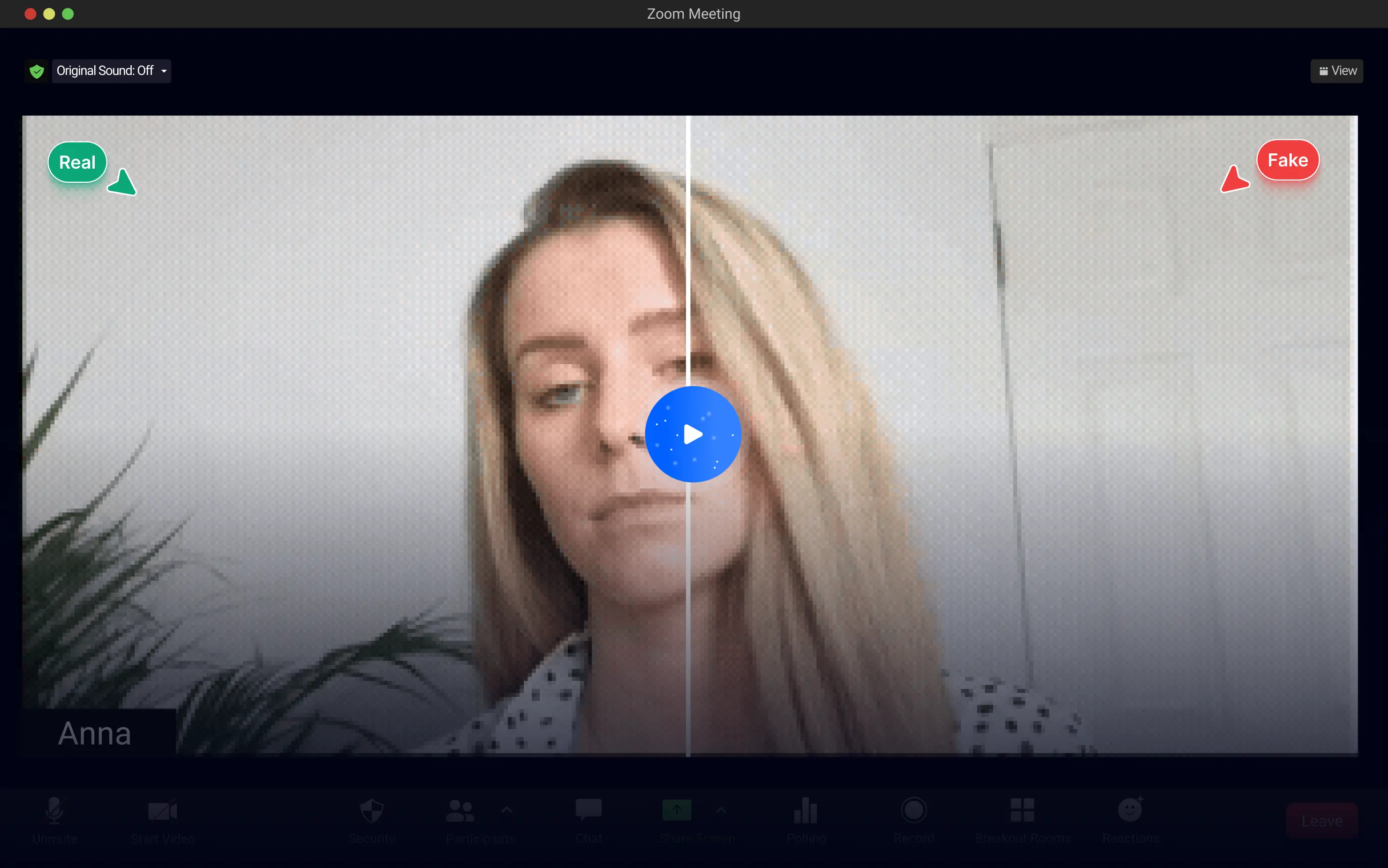
In 2024, a Hong Kong finance worker transferred $25 million after a video call with deepfake versions of company executives. Real-time face and voice swapping technology means attackers can now impersonate anyone on a video call. Test whether your teams can detect these attacks before criminals test them for you.
3000%
Increase in deepfake fraud attempts globally
$25M
Largest confirmed deepfake video call fraud
9%
Of employees can distinguish real from synthetic video breach
Real-Time Face and Voice
Transformation
From a single photo and 30 seconds of audio, our cloud platform generates convincing real-
time deepfake video personas, all through your browser.
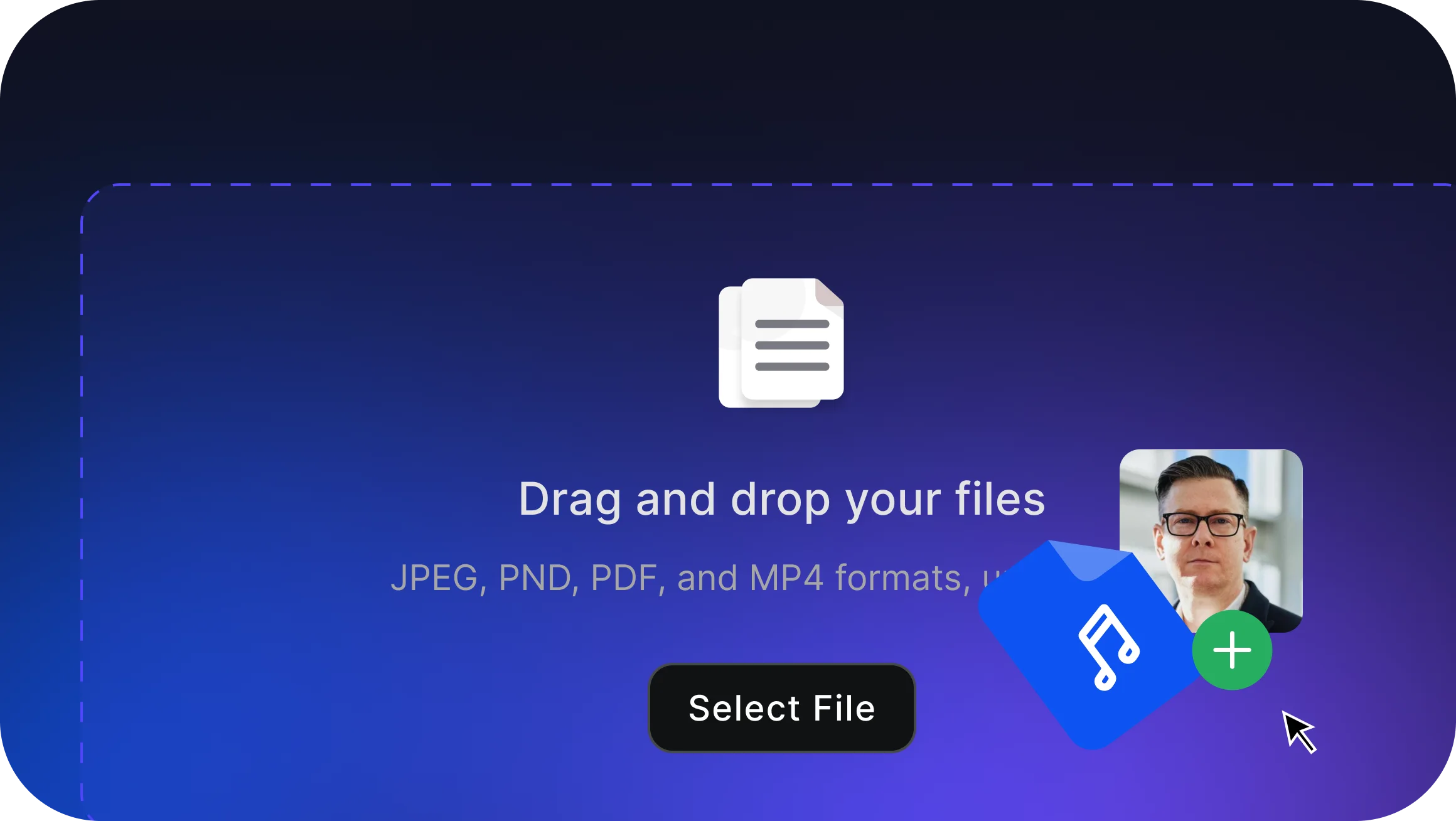
STEP 1
Provide Target Assets
Upload a single face image of the person to impersonate and 30 seconds of their audio. Our system handles all the AI processing.

STEP 2
Join Any Platform
Launch deepfake video calls on any major conferencing platform your organization uses, including Zoom, Microsoft Teams, Google Meet, Slack, WebEx and more.
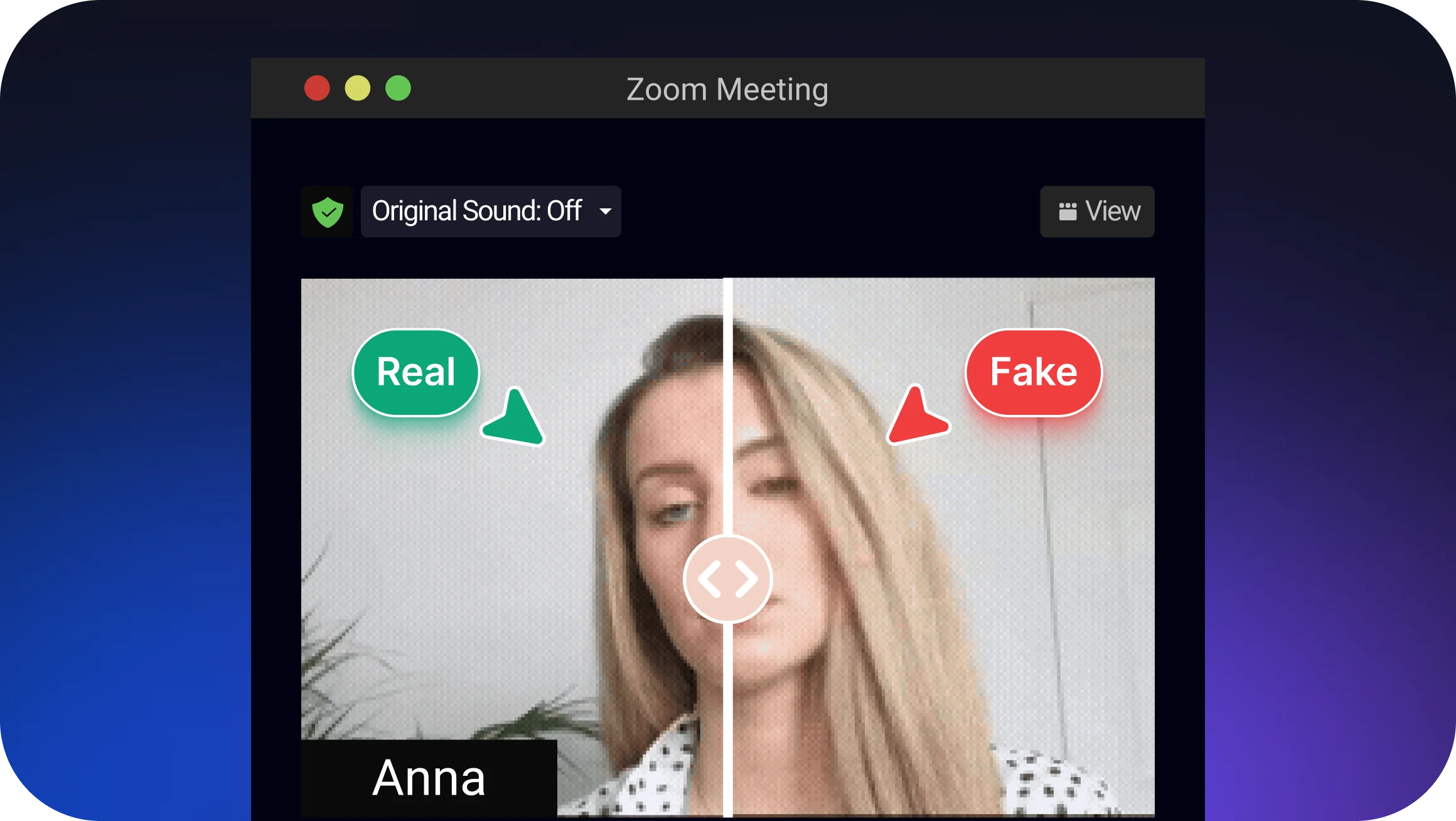
STEP 3
Real-Time Impersonation
The operator appears and sounds exactly like the target person. Both face and voice are transformed in real-time with no perceptible delay.
STEP 4
Test Business Processes
Request wire transfers, sensitive documents, credential resets, or any scenario relevant to your security testing objectives.
Enterprise-Grade Video
Deepfake Testing
Purpose-built for security teams who need to validate whether employees can detect AI-
generated faces and voices during live video calls.
Single-Image Face Cloning
Create realistic face swaps from just one photograph. No video training data required.
Synchronized Voice Cloning
Voice transformation runs simultaneously with face swapping for complete impersonation.
Browser-Based Operation
All processing happens in our cloud. Operators need only a web browser and webcam.
Multi-Participant Scenarios
Simulate attacks involving multiple impersonated participants in the same call.
Recording and Evidence
Every simulation is recorded for post-engagement analysis and compliance documentation.
Deepfake Calls
→
Works With Every Major
Platform
Our deepfake video capability integrates with any browser-based video conferencing platform. No special integrations required - if it works in a browser, we can test it.
Frequently asked questions
Extremely realistic. Our technology performs real-time face swapping and voice cloning simultaneously. In testing, only 9% of employees could distinguish our deepfake video calls from genuine video calls. The technology has reached a level where visual inspection alone is not reliable.
Just one clear face photograph and 30 seconds of audio. You don't need video footage of the person - a single image from LinkedIn, a company website, or any public source is sufficient for the face swap.
All major platforms: Zoom, Microsoft Teams, Google Meet, Slack, WebEx, GoTo Meeting, and more. If it runs in a browser, we can use it. No special integrations or plugins are required on the target's end.
Yes, we can simulate scenarios with multiple impersonated participants. This is particularly useful for testing responses to fake board meetings or group pressure scenarios where several apparent executives are making requests.
Every simulation is recorded on our platform for post-engagement analysis. You receive full video recordings, transcripts, and outcome documentation. This evidence is valuable for compliance documentation and training purposes.
Standard webcam quality and normal indoor lighting are sufficient. Our system handles the heavy lifting of making the face swap look natural across different lighting conditions and camera qualities.
Some artifacts exist if you know exactly what to look for - slight blurring around face edges, occasional glitches during rapid movement. However, in a normal business conversation, these are rarely noticed. That's precisely why we offer training to help employees learn these detection techniques.
Can Your Team Spot a Deepfake on
Video?
Most employees cannot distinguish real executives from deepfakes on video calls. Find out where your
organization stands before attackers do.